Write Confidentiality Nda Agreement: A Comprehensive Guide

Celebrity Confidentiality / NDA Agreement Samples and Writing Guide
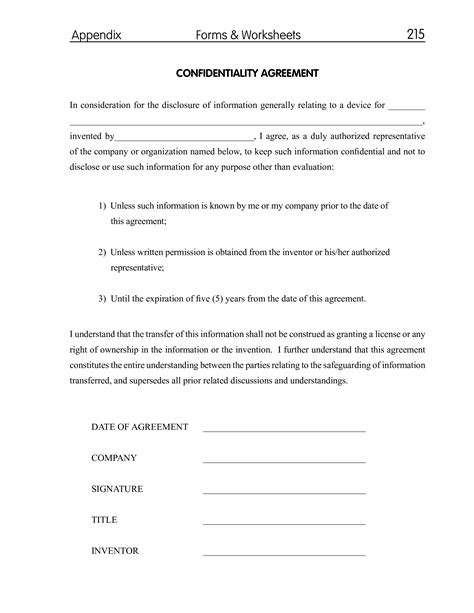
Celebrity Confidentiality / NDA Agreement Samples and Writing Guide from www.doctemplates.net

A confidentiality Non-Disclosure Agreement (NDA) is an essential document when you need to keep confidential information secure. The agreement helps you protect sensitive information such as trade secrets, patents, strategies, business plans, or other confidential information. A confidentiality NDA is a legally binding document, so it’s important to make sure you understand your rights and obligations before signing one. To help you understand what a confidentiality NDA is, this guide will explain the basics of NDA agreements, provide sample agreements, and give you tips on how to write a confidentiality NDA.

What is a Confidentiality NDA?

A confidentiality NDA is a legal agreement between two parties (the disclosing party and the receiving party) that outlines the confidential information that is to be shared and how that information is to be handled. It prevents the receiving party from disclosing or using the confidential information for any purpose other than that specified in the agreement. The agreement also ensures that the confidential information remains confidential and that it is not disclosed to any third parties. In some cases, the agreement may also include provisions for the return of the confidential information after the agreement is terminated.

When Should You Use a Confidentiality NDA?

A confidentiality NDA should be used whenever confidential information needs to be shared between two parties. This could include sharing trade secrets, business plans, strategies, customer lists, pricing information, or any other sensitive information. The agreement should be used any time confidential information is shared, even if the two parties are related, such as a parent-child or business partner relationship.

How to Write a Confidentiality NDA

When writing a confidentiality NDA, you should focus on the specifics of the agreement. This includes the parties involved, definition of confidential information, obligations of the parties, duration of the agreement, and any other relevant details. You should also include provisions for the return of confidential information upon the termination of the agreement. It’s important to be as specific and detailed as possible so that there is no confusion about the agreement.

Sample Confidentiality NDA Agreements

Below are three sample confidentiality NDA agreements that you can use as templates:

Sample Agreement #1

This Agreement is made by and between [Disclosing Party Name], referred to herein as the “Disclosing Party”, and [Receiving Party Name], referred to herein as the “Receiving Party”. This Agreement is effective as of [Effective Date].

1. Definitions. For the purposes of this Agreement, the following terms shall have the following meanings:

a. “Confidential Information” shall mean any information disclosed by the Disclosing Party to the Receiving Party, either directly or indirectly, in writing, orally, or by inspection of tangible objects, which is either marked as confidential or which a reasonable person would consider to be confidential.

2. Obligations of the Receiving Party. The Receiving Party agrees to:

a. Not use any Confidential Information for any purpose other than that specified in this Agreement.

b. Not disclose any Confidential Information to any third parties.

c. Return all Confidential Information to the Disclosing Party upon the termination of this Agreement.

Sample Agreement #2

This Agreement is made and entered into by and between [Disclosing Party Name], referred to herein as the “Disclosing Party”, and [Receiving Party Name], referred to herein as the “Receiving Party”. This Agreement is effective as of [Effective Date].

1. Definitions. For the purposes of this Agreement, the following terms shall have the following meanings:

a. “Confidential Information” shall mean any information disclosed by the Disclosing Party to the Receiving Party, either directly or indirectly, in writing, orally, or by inspection of tangible objects, which is either marked as confidential or which a reasonable person would consider to be confidential.

2. Obligations of the Receiving Party. The Receiving Party agrees to:

a. Not use any Confidential Information for any purpose other than that specified in this Agreement.

b. Not disclose any Confidential Information to any third parties.

c. Not copy or duplicate any Confidential Information.

d. Return all Confidential Information to the Disclosing Party upon the termination of this Agreement.

Sample Agreement #3

This Agreement is made and entered into by and between [Disclosing Party Name], referred to herein as the “Disclosing Party”, and [Receiving Party Name], referred to herein as the “Receiving Party”. This Agreement is effective as of [Effective Date].

1. Definitions. For the purposes of this Agreement, the following terms shall have the following meanings:

a. “Confidential Information” shall mean any information disclosed by the Disclosing Party to the Receiving Party, either directly or indirectly, in writing, orally, or by inspection of tangible objects, which is either marked as confidential or which a reasonable person would consider to be confidential.

2. Obligations of the Receiving Party. The Receiving Party agrees to:

a. Not use any Confidential Information for any purpose other than that specified in this Agreement.

b. Not disclose any Confidential Information to any third parties.

c. Not copy or duplicate any Confidential Information.

d. Not disclose the existence of this Agreement to any third parties.

e. Return all Confidential Information to the Disclosing Party upon the termination of this Agreement.

Conclusion

A confidentiality NDA is a powerful tool for protecting confidential information. It helps ensure that the confidential information remains confidential and is not used for any purpose other than that specified in the agreement. By understanding the basics of NDA agreements, using sample agreements, and following the tips outlined in this guide, you can create an effective and legally binding confidentiality NDA.

Tags

#confidentialityNDA #NDAagreement #protectconfidentialinformation #legallybinding #confidentialinformation #sampleNDA #writingnda #confidentialityagreement #confidentialitynda2023 #writingconfidentialitynda
Read more

What Is A Data Confidentiality Agreement?

9+ Data Confidentiality Agreements DOC, PDF Free & Premium Templates
9+ Data Confidentiality Agreements DOC, PDF Free & Premium Templates from www.template.net

A data confidentiality agreement is a legal document that helps protect sensitive information or data from being shared with unauthorized parties. It ensures that only the parties involved in the agreement are allowed to use and access the confidential information. A data confidentiality agreement can be beneficial for both parties involved, as it helps protect the privacy of the disclosing party and the receiving party. It also helps to ensure that any confidential information that is shared remains secure and confidential.

Data confidentiality agreements are often used in business relationships, such as between a company and its suppliers, or between a company and its customers. It is also used in many other types of relationships, such as between a doctor and patient, a lawyer and client, or an employer and employee. The agreement outlines the specific confidential information that will be shared and outlines the expectations for how the information will be used and stored.

Why Use a Data Confidentiality Agreement?

Using a data confidentiality agreement is a great way to ensure that confidential information is kept secure and confidential. It outlines the requirements for both parties involved in the agreement and provides legal protection in the event that the confidential information is misused. It is also beneficial in helping to protect the reputation of both parties involved in the agreement.

Data confidentiality agreements can help to protect both parties in the event that a dispute arises. They can also help prevent unauthorized access to confidential information and help to ensure that confidential information is not used for any purpose other than its intended use. This type of agreement is especially important for businesses that rely on confidential information in order to make decisions or to provide a service.

What Should Be Included in a Data Confidentiality Agreement?

A data confidentiality agreement should clearly define the confidential information that will be shared and the expectations for how the information will be used. It should also specify the terms of the agreement, such as the duration of the agreement, the obligations of both parties involved, and any applicable penalties for breach of the agreement. Additionally, the agreement should outline any additional measures that will be taken to protect the confidential information, such as encryption or password protection.

It is also important to include a clause that outlines the obligations of both parties in the event of a breach of the agreement. This clause should specify what actions can be taken in the event of a breach, such as the termination of the agreement or the payment of damages. Additionally, the clause should outline any other measures that may be taken in order to protect the confidential information.

3 Sample Data Confidentiality Agreement Samples

Sample 1: Basic Data Confidentiality Agreement

This Data Confidentiality Agreement (the “Agreement”) is made as of [date] between [Name] (the “Disclosing Party”) and [Name] (the “Receiving Party”).

The Disclosing Party desires to disclose certain confidential information (the “Confidential Information”) to the Receiving Party, and the Receiving Party desires to receive and use the Confidential Information.

In consideration of the mutual promises and covenants herein, the parties agree as follows:

  • The Receiving Party agrees to maintain the Confidential Information in strict confidence and shall not disclose the Confidential Information to any third parties without the prior written consent of the Disclosing Party.
  • The Receiving Party agrees to use the Confidential Information only for the purposes of the Agreement.
  • The Receiving Party agrees to take all reasonable steps to protect the Confidential Information from unauthorized use or disclosure.
  • The Receiving Party shall not use the Confidential Information for any purpose other than the purposes of the Agreement.
  • This Agreement shall be subject to the laws of [Jurisdiction].

Sample 2: Detailed Data Confidentiality Agreement

This Data Confidentiality Agreement (the “Agreement”) is made as of [date] between [Name] (the “Disclosing Party”) and [Name] (the “Receiving Party”).

The Disclosing Party desires to disclose certain confidential information (the “Confidential Information”) to the Receiving Party, and the Receiving Party desires to receive and use the Confidential Information.

In consideration of the mutual promises and covenants herein, the parties agree as follows:

  • The Receiving Party agrees to maintain the Confidential Information in strict confidence and shall not disclose the Confidential Information to any third parties without the prior written consent of the Disclosing Party.
  • The Receiving Party agrees to use the Confidential Information only for the purposes of the Agreement.
  • The Receiving Party agrees to take all reasonable steps to protect the Confidential Information from unauthorized use or disclosure.
  • The Receiving Party shall not use the Confidential Information for any purpose other than the purposes of the Agreement.
  • The Receiving Party agrees to return or destroy all Confidential Information upon the request of the Disclosing Party.
  • The Receiving Party agrees to notify the Disclosing Party in the event of any unauthorized use or disclosure of the Confidential Information.
  • This Agreement shall be subject to the laws of [Jurisdiction].

Sample 3: Comprehensive Data Confidentiality Agreement

This Data Confidentiality Agreement (the “Agreement”) is made as of [date] between [Name] (the “Disclosing Party”) and [Name] (the “Receiving Party”).

The Disclosing Party desires to disclose certain confidential information (the “Confidential Information”) to the Receiving Party, and the Receiving Party desires to receive and use the Confidential Information.

In consideration of the mutual promises and covenants herein, the parties agree as follows:

  • The Receiving Party agrees to maintain the Confidential Information in strict confidence and shall not disclose the Confidential Information to any third parties without the prior written consent of the Disclosing Party.
  • The Receiving Party agrees to use the Confidential Information only for the purposes of the Agreement.
  • The Receiving Party agrees to take all reasonable steps to protect the Confidential Information from unauthorized use or disclosure.
  • The Receiving Party shall not use the Confidential Information for any purpose other than the purposes of the Agreement.
  • The Receiving Party agrees to return or destroy all Confidential Information upon the request of the Disclosing Party.
  • The Receiving Party agrees to notify the Disclosing Party in the event of any unauthorized use or disclosure of the Confidential Information.
  • The Receiving Party agrees to indemnify and hold harmless the Disclosing Party from any claims, losses, or damages arising out of any breach of this Agreement.
  • This Agreement shall be subject to the laws of [Jurisdiction].

By signing below, the parties agree to be bound by the terms of this Agreement.

Signed: _____________________________________________ (Disclosing Party)

Signed: _____________________________________________ (Receiving Party)

Read more

What Is A Human Resources Confidentiality Agreement?

Human Resources Confidentiality Agreement 11+ Free Word, PDF
Human Resources Confidentiality Agreement 11+ Free Word, PDF from www.template.net

A Human Resources Confidentiality Agreement is a legally binding agreement between an employer and employee to keep certain information confidential. This agreement helps to protect the interests of both parties involved, as well as the company. It also allows employers to share sensitive information with employees without fear of it being shared with outside parties. The agreement typically outlines the types of information that must be kept confidential, the methods of keeping it confidential, and the consequences if the agreement is breached.

Human Resources Confidentiality Agreements are essential for any workplace, as they provide employers with the legal protection they need to ensure their employees are aware of the confidential information they are discussing. This agreement is especially important for businesses in which employees have access to sensitive customer, financial, or other data that must remain confidential. By signing a Human Resources Confidentiality Agreement, employers and employees can be sure that the information they are discussing is kept secure.

The Benefits of a Human Resources Confidentiality Agreement

There are many benefits to having an employer and employee sign a Human Resources Confidentiality Agreement. For employers, the agreement provides legal protection in the event that an employee breaches the agreement and shares confidential information with an outside party. It also serves as a deterrent to employees who may be tempted to breach the agreement, as they know they face potential legal and financial consequences. The agreement also helps to protect the employer from potential lawsuits, as it outlines the consequences for breach of the agreement.

For employees, a Human Resources Confidentiality Agreement ensures that the information they have access to is kept secure. This agreement helps to protect the employee from potential legal or financial repercussions if they violate the agreement. It also helps to ensure that the employee is aware of the importance of protecting confidential information. By signing the agreement, the employee is demonstrating their commitment to the company and its confidential information.

What is Included in a Human Resources Confidentiality Agreement?

A Human Resources Confidentiality Agreement typically includes the following information:

  • The type of information that must be kept confidential.
  • The methods of keeping the information confidential.
  • The consequences for breach of the agreement.
  • The duration of the agreement.
  • The parties involved in the agreement.
  • The terms of termination of the agreement.

Sample Human Resources Confidentiality Agreements

Sample 1

This agreement is made between [Employer Name] (“Employer”) and [Employee Name] (“Employee”). This agreement is effective as of [Agreement Date].

The Employee agrees to keep all information related to the Employer, their clients, and their business confidential. This includes all documents, emails, and other materials related to the Employer and their business. The Employee further agrees not to share or disclose any of this information with any third parties. The Employee also agrees not to use any of this information for their own personal gain.

The Employee agrees that any breach of this agreement will result in immediate termination of their employment with the Employer, as well as legal and financial consequences. The Employee further agrees that this agreement is legally binding, and will remain in effect for the duration of their employment with the Employer.

Sample 2

This agreement is made between [Employer Name] (“Employer”) and [Employee Name] (“Employee”). This agreement is effective as of [Agreement Date].

The Employee agrees to keep all information related to the Employer, their clients, and their business confidential. This includes, but is not limited to, documents, emails, and other materials related to the Employer and their business. The Employee further agrees not to share or disclose any of this information with any third parties, and not to use any of this information for their own personal gain.

The Employee agrees that any breach of this agreement will result in immediate termination of their employment with the Employer, as well as legal and financial consequences. The Employee further agrees that this agreement is legally binding, and will remain in effect for the duration of their employment with the Employer, as well as for one year after their employment has ended.

Sample 3

This agreement is made between [Employer Name] (“Employer”) and [Employee Name] (“Employee”). This agreement is effective as of [Agreement Date].

The Employee agrees to keep all information related to the Employer, their clients, and their business confidential. This includes all documents, emails, and other materials related to the Employer and their business. The Employee further agrees not to share or disclose any of this information with any third parties, and not to use any of this information for their own personal gain.

The Employee agrees that any breach of this agreement will result in immediate termination of their employment with the Employer, as well as legal and financial consequences. The Employee further agrees that this agreement is legally binding, and will remain in effect for the duration of their employment with the Employer, as well as for two years after their employment has ended.

Conclusion

A Human Resources Confidentiality Agreement is a legally binding agreement between an employer and employee to keep certain information confidential. This agreement helps to protect the interests of both parties involved, as well as the company. It also allows employers to share sensitive information with employees without fear of it being shared with outside parties. By signing a Human Resources Confidentiality Agreement, employers and employees can be sure that the information they are discussing is kept secure.

The agreement typically outlines the types of information that must be kept confidential, the methods of keeping it confidential, and the consequences if the agreement is breached. There are many benefits to having an employer and employee sign a Human Resources Confidentiality Agreement, as it provides legal protection and serves as a deterrent to employees who may be tempted to breach the agreement.

In conclusion, a Human Resources Confidentiality Agreement is an essential document for any workplace, as it helps to ensure that confidential information is kept secure. The agreement should outline the type of information that must be kept confidential, the methods of keeping it confidential, and the consequences for breach of the agreement. By signing a Human Resources Confidentiality Agreement, employers and employees can be sure that the information they are discussing is kept secure.

Tags : #humanresourcesconfidentialityagreement #confidentialityagreements #hrconfidentialityagreement #employerconfidentialityagreement #employeeconfidentialityagreement #hrconfidentiality #confidentialityagreementexample

Read more

What Is A Celebrity Confidentiality Nda?

Download Sample Celebrity Confidentiality Agreement For Agent for Free
Download Sample Celebrity Confidentiality Agreement For Agent for Free from www.formtemplate.org

Celebrities have become increasingly concerned about their privacy and security in the past few years. This is due to the rise of paparazzi, cybercriminals, and other threats. To protect themselves, many celebrities are now signing Confidentiality Non-Disclosure Agreements (NDAs) with their employers and employers of their agents. An NDA is a contract between two or more parties that binds them to keep certain information confidential. It is used in all kinds of business arrangements, including celebrity arrangements.

A celebrity Confidentiality NDA is an agreement between a celebrity and a third party, such as an employer, agent, or other person with whom the celebrity is associated. The agreement is designed to protect the privacy of the celebrity and any information shared between the parties. It is important to note that the agreement does not prevent the parties from discussing the celebrity’s personal life, but it does provide clear guidelines for how the parties should handle any information shared.

What Does a Celebrity Confidentiality NDA Include?

A celebrity Confidentiality NDA typically includes provisions that prevent the parties from disclosing any information shared between them. It also lays out consequences for breaking the agreement. Common provisions in a celebrity Confidentiality NDA include:

  • A prohibition on disclosing any confidential information shared between the parties.
  • A prohibition on using any confidential information for any purpose other than the purpose for which it was obtained.
  • A provision that the parties will not use the information to solicit or influence any third party.
  • A provision that the parties will not use the information to compete with the other party.
  • A provision that the parties will not use the information to create any derivative works.
  • A provision that the parties will not use the information to create any misleading or false advertising.

The NDA may also include provisions that allow the parties to terminate the agreement and any rights granted by the agreement if either party violates the agreement. Additionally, the NDA may include a clause that allows the parties to seek damages if either party breaches the agreement.

Why Do Celebrities Need a Confidentiality NDA?

Celebrities need a Confidentiality NDA to protect their privacy and to ensure that any information shared between them and their agents or employers remains confidential. The agreement also helps to ensure that the parties do not use the information for any purpose other than the purpose for which it was obtained. Additionally, the agreement can help to protect the parties from any potential legal action.

By signing a Confidentiality NDA, celebrities can ensure that any information shared between them and their agents or employers remains confidential. This can help to protect their privacy and keep any sensitive information from being used for any purpose other than the purpose for which it was obtained. Additionally, the agreement can help to protect the parties from any potential legal action.

Examples of Celebrity Confidentiality NDA

Below are three examples of celebrity Confidentiality NDA:

  1. This celebrity Confidentiality NDA is between [Name of Celebrity] (“Celebrity”) and [Name of Agent] (“Agent”). The parties agree that the following information shared between them shall remain confidential:

    • Name, address, and contact information of the Celebrity.
    • Information related to the Celebrity’s career, including but not limited to, personal and/or professional relationships, contracts, and endorsements.
    • Information related to the Celebrity’s personal life, including but not limited to, family, health, and finances.

    The parties agree not to use any of the information shared for any purpose other than the purpose for which it was obtained. The parties agree not to use the information to solicit or influence any third party. The parties agree not to use the information to compete with the other party. The parties agree not to use the information to create any derivative works. The parties agree not to use the information to create any misleading or false advertising. The parties agree that any breach of this agreement may result in legal action.

  2. This celebrity Confidentiality NDA is between [Name of Celebrity] (“Celebrity”) and [Name of Employer] (“Employer”). The parties agree that the following information shared between them shall remain confidential:

    • Name, address, and contact information of the Celebrity.
    • Information related to the Celebrity’s career, including but not limited to, personal and/or professional relationships, contracts, and endorsements.
    • Information related to the Celebrity’s personal life, including but not limited to, family, health, and finances.

    The parties agree not to use any of the information shared for any purpose other than the purpose for which it was obtained. The parties agree not to use the information to solicit or influence any third party. The parties agree not to use the information to compete with the other party. The parties agree not to use the information to create any derivative works. The parties agree not to use the information to create any misleading or false advertising. The parties agree that any breach of this agreement may result in legal action.

  3. This celebrity Confidentiality NDA is between [Name of Celebrity] (“Celebrity”) and [Name of Third Party] (“Third Party”). The parties agree that the following information shared between them shall remain confidential:

    • Name, address, and contact information of the Celebrity.
    • Information related to the Celebrity’s career, including but not limited to, personal and/or professional relationships, contracts, and endorsements.
    • Information related to the Celebrity’s personal life, including but not limited to, family, health, and finances.

    The parties agree not to use any of the information shared for any purpose other than the purpose for which it was obtained. The parties agree not to use the information to solicit or influence any third party. The parties agree not to use the information to compete with the other party. The parties agree not to use the information to create any derivative works. The parties agree not to use the information to create any misleading or false advertising. The parties agree that any breach of this agreement may result in legal action.

Conclusion

A celebrity Confidentiality NDA is an important tool for celebrities to protect their privacy and to ensure that any information shared between them and their agents or employers remains confidential. The agreement helps to protect the parties from any potential legal action and it can also provide clear guidelines for how the parties should handle any confidential information. It is important to consult a lawyer or other legal professional before entering into any type of agreement, as the terms of the agreement may vary depending on the situation.

Tags

celebrity confidentiality nda, confidentiality nda for celebrities, celebrity nda agreement, celebrity confidentiality agreement, celebrity confidentiality clause, celebrity privacy agreement, celebrity non-disclosure agreement, celebrity non-disclosure agreement template, celebrity non-disclosure agreement example, celebrity non-disclosure agreement pdf.

Read more

What Is An Employee Confidentiality Agreement?

Employee Confidentiality Agreement 11+ Examples, Format, Pdf Examples
Employee Confidentiality Agreement 11+ Examples, Format, Pdf Examples from www.examples.com

Employee confidentiality agreements, also known as non-disclosure agreements, are legal contracts that an employer and an employee enter into. It is designed to protect confidential information, such as trade secrets and other proprietary information, from being divulged. The agreement sets out the terms of the employee’s obligations to keep certain information confidential. In essence, it is a promise from the employee not to share information with anyone outside the company, or to use it for their own benefit.

Why Do You Need an Employee Confidentiality Agreement?

An employee confidentiality agreement is an important tool for employers to protect their confidential information. The agreement serves as a means for the employer to ensure that their employees understand that the information they possess is confidential and that they have a responsibility to protect it. It also provides the employer with legal recourse should an employee breach the agreement.

Creating an Employee Confidentiality Agreement

Creating an employee confidentiality agreement is not a complicated process. The agreement should clearly specify which information is considered confidential and outline the consequences for disclosing that information. It should also identify who is responsible for enforcing the agreement and provide a means of enforcement. Additionally, the agreement should specify the duration of the agreement and any other relevant provisions.

Sample Employee Confidentiality Agreements

Here are three sample employee confidentiality agreements:

1. Simple Employee Confidentiality Agreement

This agreement is between an employer and an employee. In consideration of the employee’s employment, the employee agrees to keep all confidential information belonging to the employer secret. The employee also agrees not to use any confidential information for their own benefit or for the benefit of any other party. The employee shall not disclose any confidential information without the prior written consent of the employer.

2. Comprehensive Employee Confidentiality Agreement

This agreement is between an employer and an employee. The employee agrees to keep all confidential information belonging to the employer secret and to not use any confidential information for their own benefit or for the benefit of any other party. The employee shall not disclose any confidential information to anyone outside the company, or use it for their own benefit, without the prior written consent of the employer. The employee also agrees to not take any action that may result in the disclosure of confidential information. The agreement shall remain in effect for the duration of the employee’s employment, even after the employee has left the company.

3. Standard Employee Confidentiality Agreement

This agreement is between an employer and an employee. The employee agrees to keep all confidential information belonging to the employer secret and not to use any confidential information for their own benefit or for the benefit of any other party. The employee shall not disclose any confidential information to anyone outside the company, or use it for their own benefit, without the prior written consent of the employer. The employee also agrees to not take any action that may result in the disclosure of confidential information. The agreement shall remain in effect for the duration of the employee’s employment and any period thereafter in which the employee has access to confidential information.

Enforcing Employee Confidentiality Agreements

Enforcing employee confidentiality agreements can be a difficult task. It is important to ensure that employees are aware of their obligations under the agreement and that they understand the consequences of breaching the agreement. The employer should also establish a process to monitor compliance with the agreement and take appropriate action if a breach is discovered. Additionally, the employer should consider implementing other measures to protect confidential information, such as requiring employees to sign non-disclosure agreements.

Conclusion

Employee confidentiality agreements are an important tool for employers to protect their confidential information. They provide the employer with legal recourse should an employee breach the agreement and help ensure that employees understand their obligations to protect the information. It is important to ensure that employees are aware of the agreement and that it is enforced appropriately.

Tags:

#employeeconfidentialityagreement #confidentialinformation #employer #employee #employeeobligations #non-disclosureagreement #trade secrets #proprietaryinformation #disclosureofinformation #enforcementofagreements #protectingconfidentialinformation

Read more

What Is A Client Confidentiality Agreement?

FREE 10+ Sample Confidentiality Agreement Templates in PDF MS Word
FREE 10+ Sample Confidentiality Agreement Templates in PDF MS Word from www.sampletemplates.com

A client confidentiality agreement, also known as a nondisclosure agreement (NDA), is a legally binding contract between two parties that establishes a confidential relationship. The agreement defines what information is confidential, for how long it should remain confidential, and outlines the penalties for any breach of the agreement.

The purpose of a client confidentiality agreement is to protect the sensitive information of a client from being disclosed to third parties without the client’s consent. This type of agreement is typically used by businesses to protect trade secrets, customer lists, pricing information, confidential business strategies, and other confidential information.

Why Do You Need a Client Confidentiality Agreement?

Having a client confidentiality agreement in place helps ensure that a client’s confidential information is kept secure. It also helps protect the business from any potential legal action taken by the client in the event that confidential information is leaked.

Having a client confidentiality agreement in place also allows the business to share confidential information with third parties, such as potential investors or partners, without fear of the information being disclosed. This can be especially important when trying to secure investment or attract potential partners.

What Should Be Included in a Client Confidentiality Agreement?

Every client confidentiality agreement should include the following:

  • The names of the parties involved in the agreement
  • The date of the agreement
  • A definition of what constitutes confidential information
  • A description of how the confidential information should be handled
  • A description of the restrictions placed on the use of the confidential information
  • A description of the penalties for any breach of the agreement
  • A description of the duration of the agreement

Sample Client Confidentiality Agreement Samples

Sample 1

This CLIENT CONFIDENTIALITY AGREEMENT (the “Agreement”) is made and entered into by and between [CLIENT NAME], a [STATE] corporation (“Client”), and [CONSULTANT NAME], a [STATE] corporation (“Consultant”).

WHEREAS, Client desires to engage Consultant to provide [DESCRIBE SERVICES], and Consultant desires to provide such services;

NOW, THEREFORE, in consideration of the mutual covenants and agreements set forth herein and other good and valuable consideration, the receipt and sufficiency of which are hereby acknowledged, the parties hereto agree as follows:

1. CONFIDENTIALITY. Consultant agrees that all information and materials of Client that is designated as confidential or proprietary by Client, or that should reasonably be considered confidential or proprietary (collectively, “Confidential Information”), shall remain the property of Client and shall not be disclosed or used by Consultant for any other purpose except as specifically authorized by Client.

Sample 2

This CONFIDENTIALITY AGREEMENT (the “Agreement”) is made and entered into by and between [CLIENT NAME], a [STATE] corporation (“Client”), and [CONSULTANT NAME], a [STATE] corporation (“Consultant”).

WHEREAS, Client desires to engage Consultant to provide [DESCRIBE SERVICES], and Consultant desires to provide such services;

NOW, THEREFORE, in consideration of the mutual covenants and agreements set forth herein and other good and valuable consideration, the receipt and sufficiency of which are hereby acknowledged, the parties hereto agree as follows:

1. CONFIDENTIALITY. Consultant agrees to maintain the confidentiality of all information provided by Client, including but not limited to financial information, trade secrets, and other proprietary information. Consultant agrees not to use or disclose any such information for any purpose not expressly authorized by Client.

Sample 3

This CONFIDENTIALITY AGREEMENT (the “Agreement”) is made and entered into by and between [CLIENT NAME], a [STATE] corporation (“Client”), and [CONSULTANT NAME], a [STATE] corporation (“Consultant”).

WHEREAS, Client desires to engage Consultant to provide [DESCRIBE SERVICES], and Consultant desires to provide such services;

NOW, THEREFORE, in consideration of the mutual covenants and agreements set forth herein and other good and valuable consideration, the receipt and sufficiency of which are hereby acknowledged, the parties hereto agree as follows:

1. CONFIDENTIALITY. Consultant agrees to maintain the confidentiality of all information provided by Client. This includes but is not limited to trade secrets, financial information, customer lists, and other proprietary information. Consultant agrees not to use or disclose any such information for any purpose not expressly authorized by Client.

Conclusion

A client confidentiality agreement is an important document for any business that wants to protect its confidential information from being leaked to third parties. The agreement establishes a confidential relationship between the two parties and outlines the restrictions placed on the use of the confidential information. It also outlines the penalties for any breach of the agreement.

By using the sample client confidentiality agreement samples above, you can easily create your own client confidentiality agreement and protect your confidential information from being disclosed without your consent.

Tags: Client Confidentiality Agreement Sample, Nondisclosure Agreement, Confidential Relationship Agreement, Trade Secrets Agreement, Client Confidentiality Agreement Template, Client Confidentiality Agreement Form, Confidentiality Agreement Sample, Nondisclosure Agreement Sample, Confidential Relationship Agreement Sample, Trade Secrets Agreement Sample.

Read more

What Is A Vendor Confidentiality Agreement?

FREE 24+ Sample Vendor Agreement Templates in PDF MS Word Google
FREE 24+ Sample Vendor Agreement Templates in PDF MS Word Google from www.sampletemplates.com

A vendor confidentiality agreement (VCA) is a contract between two parties in which one party, the vendor, agrees to maintain the confidentiality of certain information provided by the other party. It is also known as a non-disclosure agreement or NDA. VCAs are commonly used in business transactions to protect the confidential information of the vendor or the customer. They can also be used to protect confidential information that may be shared between employees of different companies.

VCAs are important documents that protect the confidential information of both parties involved in a business transaction. They can be used to protect information such as customer lists, financial information, product designs, trade secrets, and other confidential information. VCAs are also used to protect confidential information that may be shared between employees of different companies.

VCAs are typically used when two or more parties are entering into a business transaction. The agreement sets forth the specific information that must be kept confidential. It also outlines the obligations of the parties involved in the agreement and the consequences for any breach of the agreement. Additionally, VCAs may also be used to protect confidential information that may be shared between employees of different companies.

What Should be Included in a Vendor Confidentiality Agreement?

A vendor confidentiality agreement should include the following elements:

  • The parties involved in the agreement
  • A definition of the confidential information to be protected
  • The obligations of the parties with regard to the confidential information
  • The duration of the agreement
  • The consequences for any breach of the agreement
  • Any other provisions that the parties feel are necessary for the agreement

The agreement should also include a clause that states that the agreement is binding and enforceable in a court of law. This clause will ensure that the agreement is legally enforceable if any of the parties breach the terms of the agreement.

Sample Vendor Confidentiality Agreement

Sample 1

This agreement is made and entered into this _____ day of ____, 2023, by and between ____ (the “Vendor”) and ____ (the “Client”).

WHEREAS, the Vendor and the Client are both parties to a business transaction; and

WHEREAS, the Vendor and the Client wish to protect certain confidential information that may be shared between them;

NOW, THEREFORE, in consideration of the mutual promises contained herein and other good and valuable consideration, the receipt and sufficiency of which is hereby acknowledged, the parties agree as follows:

1. The Vendor and the Client agree to keep all information that is disclosed between them confidential. This includes, but is not limited to, customer lists, financial information, product designs, and trade secrets.

2. The confidentiality obligations of the parties shall remain in effect for a period of three (3) years from the date of this agreement.

3. The parties agree that any breach of this agreement will result in damages to the non-breaching party.

4. The parties agree that this agreement is binding and enforceable in a court of law.

IN WITNESS WHEREOF, the parties have executed this Agreement as of the day and year first above written.

Sample 2

This Vendor Confidentiality Agreement (the “Agreement”) is made and entered into this _____ day of ____, 2023, by and between ____ (the “Vendor”) and ____ (the “Customer”).

WHEREAS, the Vendor and the Customer are both parties to a business transaction; and

WHEREAS, the Vendor and the Customer wish to protect certain confidential information that may be shared between them;

NOW, THEREFORE, in consideration of the mutual promises contained herein and other good and valuable consideration, the receipt and sufficiency of which is hereby acknowledged, the parties agree as follows:

1. The Vendor and the Customer agree to keep all information that is disclosed between them confidential. This includes, but is not limited to, customer lists, financial information, product designs, and trade secrets.

2. The confidentiality obligations of the parties shall remain in effect for a period of five (5) years from the date of this agreement.

3. The parties agree that any breach of this agreement will result in damages to the non-breaching party.

4. The parties agree that this agreement is binding and enforceable in a court of law.

IN WITNESS WHEREOF, the parties have executed this Agreement as of the day and year first above written.

Sample 3

This Vendor Confidentiality Agreement (the “Agreement”) is made and entered into this _____ day of ____, 2023, by and between ____ (the “Vendor”) and ____ (the “Customer”).

WHEREAS, the Vendor and the Customer are both parties to a business transaction; and

WHEREAS, the Vendor and the Customer wish to protect certain confidential information that may be shared between them;

NOW, THEREFORE, in consideration of the mutual promises contained herein and other good and valuable consideration, the receipt and sufficiency of which is hereby acknowledged, the parties agree as follows:

1. The Vendor and the Customer agree to keep all information that is disclosed between them confidential. This includes, but is not limited to, customer lists, financial information, product designs, and trade secrets.

2. The confidentiality obligations of the parties shall remain in effect for a period of seven (7) years from the date of this agreement.

3. The parties agree that any breach of this agreement will result in damages to the non-breaching party.

4. The parties agree that this agreement is binding and enforceable in a court of law.

IN WITNESS WHEREOF, the parties have executed this Agreement as of the day and year first above written.

Conclusion

A vendor confidentiality agreement is an important document that protects the confidential information of both parties involved in a business transaction. By including a VCA in a business transaction, the parties can protect confidential information such as customer lists, financial information, product designs, and trade secrets. Additionally, VCAs can also be used to protect confidential information that may be shared between employees of different companies.

The agreement should include the specific information that must be kept confidential, the obligations of the parties, the duration of the agreement, the consequences for any breach of the agreement, and any other provisions that the parties feel are necessary. Additionally, the agreement should include a clause that states that the agreement is binding and enforceable in a court of law.

By having a vendor confidentiality agreement in place, both parties can rest assured that their confidential information is safe and secure.

Tags: vendor confidentiality agreement, vendor confidentiality agreement 2023, vendor confidentiality agreement template, vendor confidentiality agreement sample, vendor confidentiality agreement example, vendor confidentiality agreement pdf, vendor confidentiality agreement uk, vendor confidentiality agreement india, vendor confidentiality agreement australia, vendor confidentiality agreement california, vendor confidentiality agreement clauses, vendor confidentiality agreement template free

Read more

What Is A Church Confidentiality Agreement?

9 Free Church Confidentiality Agreement Templates
9 Free Church Confidentiality Agreement Templates from www.doctemplates.net

A church confidentiality agreement is a type of contract that binds the parties involved in a confidential relationship. This agreement is a legally binding document that prohibits the parties from disclosing confidential information to any third parties without permission from the other party. It is also known as a nondisclosure agreement (NDA) or a confidentiality agreement. It is important to note that this agreement is not a substitute for a written employment contract.

The church confidentiality agreement is most commonly used between churches and their staff members, however, it can also be used between churches and contractors, volunteers, or any other party with which the church has a confidential relationship. It is important to have a confidentiality agreement in place to protect the privacy of both parties, as well as the reputation of the church. It is also important to note that this agreement should be reviewed and updated periodically to ensure it remains legally binding and up to date with current laws and regulations.

What Does a Church Confidentiality Agreement Include?

The church confidentiality agreement should include the following terms:

  • The names of the parties involved in the agreement.
  • A definition of the confidential information that is to be kept confidential.
  • A statement that the confidential information must not be disclosed to any third parties, except with the express written consent of the other party.
  • A statement that the agreement is legally binding and enforceable by both parties.
  • A statement that the agreement is to be reviewed and updated periodically to ensure it remains legally binding and up to date with current laws and regulations.

The agreement should also include a provision for the return of any confidential information upon request, as well as a provision for the destruction or secure storage of any confidential information that is no longer needed.

Why Is a Church Confidentiality Agreement Important?

A church confidentiality agreement is important for several reasons. First, it ensures that confidential information is kept private and secure. This is essential for the protection of the church’s reputation, as well as the protection of the staff members, volunteers, and contractors involved in the confidential relationship. Second, it helps to prevent the disclosure of confidential information to any third parties without permission from the other party. Finally, it helps to ensure that all parties involved in the agreement are legally bound to keep the information confidential.

Sample Church Confidentiality Agreements

The following are sample church confidentiality agreements that can be used as a starting point for creating your own agreement:

  • Sample Church Confidentiality Agreement #1
  • Sample Church Confidentiality Agreement #2
  • Sample Church Confidentiality Agreement #3

It is important to note that these sample agreements are not intended to be used as a substitute for a professionally drafted agreement. It is important to consult with an attorney or other legal professional for advice on creating a legally binding agreement that meets the specific needs of your church.

Conclusion

A church confidentiality agreement is a legally binding document that binds the parties involved in a confidential relationship. It is important to have an agreement in place to protect the privacy of both parties, as well as the reputation of the church. It is also important to note that this agreement should be reviewed and updated periodically to ensure it remains legally binding and up to date with current laws and regulations.

The church confidentiality agreement should include the names of the parties involved in the agreement, a definition of the confidential information that is to be kept confidential, a statement that the confidential information must not be disclosed to any third parties, a statement that the agreement is legally binding and enforceable by both parties, and a provision for the return of any confidential information upon request.

Finally, it is important to note that sample church confidentiality agreements are available online and can be used as a starting point for creating your own agreement. However, it is important to consult with an attorney or other legal professional for advice on creating a legally binding agreement that meets the specific needs of your church.


I hope it’s helpful.

Read more

What Is A Sample Confidentiality Settlement Agreement?

Download Confidentiality Settlement Agreement Sample Template for Free
Download Confidentiality Settlement Agreement Sample Template for Free from www.formtemplate.org

A sample confidentiality settlement agreement is a legally binding document that establishes an agreement between two or more parties in which one party agrees to provide confidential information to another party. This document helps protect the confidential information of the parties involved and provides a framework for the parties to negotiate the terms of the agreement. The agreement typically outlines the responsibilities of each party and the consequences of breaching the agreement.

What Information is Included in a Sample Confidentiality Settlement Agreement?

Sample confidentiality settlement agreements typically contain basic information about the parties involved, such as their names, contact information, and addresses. The agreement also outlines the specific confidential information that will be shared between the parties, such as trade secrets, financial information, and other proprietary information. The agreement also states the purpose of the agreement and the duration of the agreement. Additionally, the agreement outlines the consequences of breaching the agreement and the remedies available to the parties if the agreement is breached.

What are the Benefits of a Sample Confidentiality Settlement Agreement?

A sample confidentiality settlement agreement offers several benefits to the parties involved. First, the agreement helps ensure that confidential information is not shared with third parties without the permission of the parties involved. The agreement also helps to protect the parties from potential lawsuits if confidential information is shared without their consent. Additionally, the agreement helps to foster trust between the parties and helps to ensure that confidential information is not misused.

How Do I Create a Sample Confidentiality Settlement Agreement?

Creating a sample confidentiality settlement agreement is a relatively straightforward process. First, the parties involved should identify the confidential information that will be shared between them. This information should be included in the agreement along with the purpose of the agreement and the duration of the agreement. Additionally, the agreement should include the consequences of breaching the agreement and the remedies available to the parties if the agreement is breached. Once the agreement is drafted, it should be reviewed by a lawyer to ensure that it is legally binding and that all parties understand their responsibilities.

What is Required to be Included in a Sample Confidentiality Settlement Agreement?

A sample confidentiality settlement agreement should include specific information in order to be considered valid and enforceable. First, the agreement should contain the names and contact information of the parties involved. The agreement should also clearly define the confidential information that will be shared between the parties, the purpose of the agreement, and the duration of the agreement. Additionally, the agreement should include the consequences of breaching the agreement and the remedies available to the parties if the agreement is breached. Finally, the agreement should be reviewed by a lawyer to ensure that it is legally binding and that all parties understand their responsibilities.

3 Sample Sample Confidentiality Settlement Agreements

Sample 1

This Sample Confidentiality Settlement Agreement (the “Agreement”) is made and entered into as of [Date] between [Party A] and [Party B].

Party A and Party B agree to share confidential information (“Confidential Information”) for the purpose of [Purpose]. The Confidential Information includes, but is not limited to, [List of Confidential Information].

The parties agree to keep the Confidential Information confidential and not to use it for their own benefit or to the detriment of either party. The parties also agree not to disclose the Confidential Information to any third parties without the prior written consent of the other party. The duration of this Agreement shall be [Duration].

In the event of a breach of this Agreement, the parties agree that the non-breaching party shall be entitled to seek monetary damages, injunctive relief, or any other remedy available under applicable law.

Sample 2

This Sample Confidentiality Settlement Agreement (the “Agreement”) is made and entered into as of [Date] between [Party A] and [Party B].

Party A and Party B agree to share confidential information (“Confidential Information”) for the purpose of [Purpose]. The Confidential Information includes, but is not limited to, [List of Confidential Information].

The parties agree to keep the Confidential Information confidential and not to use it for their own benefit or to the detriment of either party. The parties also agree not to disclose the Confidential Information to any third parties without the prior written consent of the other party. The duration of this Agreement shall be [Duration].

The parties agree to immediately inform each other in the event of a breach of this Agreement and to use their best efforts to remedy any breach. In the event of a breach of this Agreement, the parties agree that the non-breaching party shall be entitled to seek monetary damages, injunctive relief, or any other remedy available under applicable law.

Sample 3

This Sample Confidentiality Settlement Agreement (the “Agreement”) is made and entered into as of [Date] between [Party A] and [Party B].

Party A and Party B agree to share confidential information (“Confidential Information”) for the purpose of [Purpose]. The Confidential Information includes, but is not limited to, [List of Confidential Information].

The parties agree to keep the Confidential Information confidential and not to use it for their own benefit or to the detriment of either party. The parties also agree not to disclose the Confidential Information to any third parties without the prior written consent of the other party. The duration of this Agreement shall be [Duration]. The parties agree to immediately inform each other in the event of a breach of this Agreement and to use their best efforts to remedy any breach.

The parties agree to indemnify and hold each other harmless from any and all claims, damages, losses, and expenses, including attorney’s fees, arising out of or in connection with any breach of this Agreement. In the event of a breach of this Agreement, the parties agree that the non-breaching party shall be entitled to seek monetary damages, injunctive relief, or any other remedy available under applicable law.

Conclusion

A sample confidentiality settlement agreement is a legally binding document that helps protect the confidential information of the parties involved and provides a framework for the parties to negotiate the terms of the agreement. The agreement typically outlines the responsibilities of each party and the consequences of breaching the agreement. Additionally, the agreement helps ensure that confidential information is not shared with third parties without the permission of the parties involved and helps to foster trust between the parties. Creating a sample confidentiality settlement agreement is a relatively straightforward process, and the agreement should be reviewed by a lawyer to ensure that it is legally binding and that all parties understand their responsibilities.

Tags

#SampleConfidentialitySettlementAgreement #ConfidentialitySettlementAgreement #Agreement #ConfidentialInformation #LegalBinding #Lawyer #TradeSecrets #FinancialInformation #ProprietaryInformation #Indemnify #HoldHarmless #MonetaryDamages #InjunctiveRelief #Remedy

Read more

Confidentiality Agreement Form Template

Confidentiality Agreement Form Template. Further, a recipient can be hire or interview for this purpose. Ad edit, download and print in pdf and word format from any device!

FREE 8+ Sample Confidentiality Agreement Forms in PDF MS Word
FREE 8+ Sample Confidentiality Agreement Forms in PDF MS Word from www.sampletemplates.com

Agreement forms can be customized to cater to the need of a person or to an institution. This is the information that will be in the confidentiality agreement template. The confidentiality agreement template was developed and endorsed in 2014 by the data governance steering committee, consisting of the leadership from the office of the executive vice president, office of general counsel, office of human resources, office of information technology, office of finance and treasury, office of audit and compliance, office of the dean.

Read more