Professional Email Format Template: Tips, Examples, And Faq

Professional Email Template 5+ Free Word, PDF Document Downloads
Professional Email Template 5+ Free Word, PDF Document Downloads from www.template.net

Communicating professionally through email is essential in today’s business world. Whether you’re writing to a colleague, a client, or a potential employer, it’s important to make a good impression. One way to ensure your emails are polished and effective is by using a professional email format template. In this article, we’ll provide some tips and examples to help you craft professional emails that get results.

Tips for Writing Professional Emails

1. Use a Clear and Concise Subject Line

The subject line is the first thing the recipient sees, so make sure it accurately reflects the content of your email. Keep it short and to the point, but also informative enough to grab the reader’s attention.

2. Start with a Professional Greeting

Begin your email with a formal greeting, such as “Dear Mr./Ms. [Last Name]” or “Hello [First Name].” Avoid using casual or informal greetings unless you have an established relationship with the recipient.

3. Be Polite and Courteous

Always use polite language and a respectful tone in your emails. Remember to say “please” and “thank you” when appropriate, and avoid using slang or abbreviations. Treat your email as a professional business correspondence.

4. Keep Your Message Clear and Concise

Avoid rambling or going off on tangents in your email. Keep your message focused and to the point. Use short paragraphs and bullet points to break up the text and make it easier to read.

5. Use Proper Grammar and Spelling

Check your email for any grammatical errors or typos before sending it. Use proper punctuation and capitalization, and make sure your sentences are clear and easy to understand. Consider using a spell-checker or asking a colleague to proofread your email if you’re unsure.

Sample Professional Email Format Templates

Here are five sample email format templates that you can use as a starting point for your own professional emails:

1. Template for a Job Application

Subject: Application for [Position]

Dear [Hiring Manager’s Name],

I hope this email finds you well. I am writing to express my interest in the [Position] at [Company]. Attached is my resume for your review. I believe that my skills and experience make me a strong candidate for this role. I look forward to the opportunity to discuss how I can contribute to your team.

Thank you for considering my application.

Sincerely,

[Your Name]

2. Template for a Meeting Request

Subject: Request for Meeting

Dear [Recipient’s Name],

I hope this email finds you well. I would like to request a meeting with you to discuss [Topic]. I believe that a face-to-face conversation would be beneficial in order to [Reason for the meeting]. Please let me know if you are available at your earliest convenience. Thank you for your time.

Best regards,

[Your Name]

3. Template for a Follow-Up Email

Subject: Follow-Up on [Meeting/Conversation]

Dear [Recipient’s Name],

It was a pleasure meeting with you [or speaking with you] on [Date]. I wanted to follow up on our discussion regarding [Topic]. I found our conversation insightful, and I would like to further explore the opportunities we discussed. Please let me know if you have any further questions or if there is anything else I can provide. Thank you for your time and consideration.

Kind regards,

[Your Name]

4. Template for a Networking Email

Subject: Introduction and Networking Request

Dear [Recipient’s Name],

I hope this email finds you well. I recently came across your profile on [Platform/Website], and I was impressed by your background and experience in [Industry/Field]. I would love the opportunity to connect and learn more about your work. If you have some time, I would greatly appreciate a brief call or meeting. Thank you for considering my request.

Best regards,

[Your Name]

5. Template for a Client Follow-Up

Subject: Follow-Up on [Project/Proposal]

Dear [Client’s Name],

I hope this email finds you well. I wanted to follow up on our previous discussion regarding the [Project/Proposal]. I have attached the updated documents for your review. I look forward to hearing your feedback and discussing the next steps. Thank you for your time and consideration.

Best regards,

[Your Name]

Frequently Asked Questions (FAQ)

1. What should I include in the subject line of a professional email?

In the subject line, include a concise summary of the email’s content. Avoid vague or generic subject lines that may be overlooked or mistaken as spam.

2. How should I address the recipient in a professional email?

Use a formal greeting, such as “Dear Mr./Ms. [Last Name]” or “Hello [First Name].” If you’re unsure of the recipient’s gender or name, use a generic greeting like “Dear Hiring Manager” or “Hello Team.”

3. Is it necessary to include a signature in a professional email?

Yes, including a professional email signature is recommended. It should include your full name, job title, contact information, and any relevant links, such as your LinkedIn profile or company website.

4. How do I ensure my professional email is concise and easy to read?

Break up your email into short paragraphs and use bullet points or numbered lists to convey important information. Use clear and simple language, and avoid unnecessary jargon or technical terms.

5. Should I use a formal or informal tone in a professional email?

Always use a formal and professional tone in your emails, unless you have an established casual relationship with the recipient. Avoid using slang, abbreviations, or overly casual language.

6. How can I ensure my professional email is error-free?

Proofread your email before sending it. Use a spell-checker and grammar-checker to catch any mistakes. If possible, ask a colleague or friend to review your email for any errors or areas of improvement.

7. How do I follow up on a professional email if I don’t receive a response?

If you don’t receive a response within a reasonable timeframe, it’s acceptable to send a polite follow-up email. In your follow-up, kindly remind the recipient of your previous email and ask if they had a chance to review it or if there is anything else you can provide.

8. Is it appropriate to use emojis or emoticons in a professional email?

Emojis or emoticons are generally not appropriate for professional emails. Stick to using words to convey your message and emotions.

9. Should I include attachments in a professional email?

Only include attachments if they are necessary for the recipient to understand or complete the requested action. Be mindful of file sizes and consider compressing large attachments or using file-sharing services if needed.

10. How do I end a professional email?

End your email with a polite closing, such as “Sincerely,” “Best regards,” or “Kind regards,” followed by your full name.

Tags

Professional email, email format, email template, business communication, email etiquette, job application, meeting request, follow-up email, networking email, client follow-up
Read more

Professional Marketing Plan Template

25 Marketing Plan Outlines Examples Free Popular Templates Design
25 Marketing Plan Outlines Examples Free Popular Templates Design from funhephaistos.blogspot.com

Introduction

Creating a marketing plan is essential for any business, whether you are a small startup or a large corporation. A well-designed marketing plan can help you identify your target audience, set clear goals, and outline the strategies and tactics you will use to reach those goals. However, coming up with a professional marketing plan can be a daunting task if you don’t have the right template to guide you. In this article, we will provide you with a comprehensive marketing plan template that you can use to create a successful marketing strategy for your business.

1. Executive Summary

The executive summary is a brief overview of your entire marketing plan. It should summarize the key points of your plan, including your goals, target audience, strategies, and budget. This section should be concise and compelling, as it will be the first thing that readers will see.

2. Situation Analysis

In this section, you will analyze your company’s current situation and the market in which you operate. You should include information about your company’s strengths, weaknesses, opportunities, and threats (SWOT analysis), as well as an analysis of your target market and your competitors. This analysis will help you identify your competitive advantage and understand the market forces that may impact your marketing strategy.

3. Objectives

Clearly define the objectives you want to achieve with your marketing plan. Your objectives should be specific, measurable, achievable, relevant, and time-bound (SMART). For example, you may want to increase brand awareness by 20% within the next six months or generate 100 new leads per month.

4. Target Audience

Identify your target audience and create personas to understand their needs, preferences, and behaviors. This will help you tailor your marketing messages and choose the most effective marketing channels to reach your audience. Consider demographics, psychographics, and buying behaviors when defining your target audience.

5. Strategies

Outline the strategies you will use to achieve your marketing objectives. These strategies should be aligned with your target audience and take into account your competitive advantage. For example, if your target audience is active on social media, your strategies may include social media marketing, influencer partnerships, and content creation.

6. Tactics

In this section, you will outline the specific tactics you will use to implement your marketing strategies. These may include specific social media campaigns, email marketing campaigns, search engine optimization (SEO) strategies, or any other tactics that are relevant to your goals and target audience.

7. Budget

Create a detailed budget for your marketing plan, including all the costs associated with implementing your strategies and tactics. This will help you allocate your resources effectively and ensure that you have enough budget to achieve your objectives. Consider both the direct costs (such as advertising expenses) and the indirect costs (such as staff time and training).

8. Metrics and Measurement

Define the key performance indicators (KPIs) that you will use to measure the success of your marketing plan. These may include metrics such as website traffic, conversion rates, social media engagement, and customer satisfaction. Regularly track and analyze these metrics to evaluate the effectiveness of your marketing efforts and make adjustments as needed.

9. Timeline

Create a timeline for your marketing plan, outlining the key milestones and deadlines. This will help you stay on track and ensure that your marketing activities are executed in a timely manner. Consider the seasonality of your business and any external factors that may impact your timeline.

10. Conclusion

In conclusion, a professional marketing plan template is essential for creating a successful marketing strategy for your business. It provides a structured framework to guide your marketing efforts and ensures that all aspects of your plan are considered. By following the template outlined in this article, you will be well-equipped to develop a comprehensive marketing plan that will help you achieve your business objectives.

Frequently Asked Questions (FAQ)

1. What is a marketing plan?

A marketing plan is a strategic document that outlines the goals, strategies, and tactics that a business will use to promote its products or services. It helps businesses identify their target audience, understand their competitors, and allocate their resources effectively.

2. Why is a marketing plan important?

A marketing plan is important because it provides a roadmap for businesses to follow in order to achieve their marketing objectives. It helps businesses stay focused and organized, and ensures that all marketing efforts are aligned with the overall business goals.

3. How do I create a marketing plan?

To create a marketing plan, you need to define your marketing objectives, identify your target audience, analyze your competitors, develop marketing strategies, outline specific tactics, create a budget, define metrics for measurement, and set a timeline for implementation.

4. How often should I update my marketing plan?

It is recommended to review and update your marketing plan at least once a year, or whenever there are significant changes in your business or the market. Regularly evaluating and adjusting your marketing plan will help you stay competitive and adapt to changing market conditions.

5. Can I use a marketing plan template for any industry?

Yes, a marketing plan template can be used for any industry. However, it is important to customize the template to fit the specific needs and characteristics of your industry and target audience.

Tags

marketing plan, template, professional, strategy, target audience, goals, objectives, strategies, tactics, budget, measurement, timeline, FAQ, marketing efforts, business objectives

Read more

How To Write A Professional Letter Of Resignation In 2023

FREE 7+ Professional Resignation Letter Templates in PDF MS Word
FREE 7+ Professional Resignation Letter Templates in PDF MS Word from www.sampletemplates.com

Introduction

Resigning from a job can be a difficult decision, but sometimes it is the best option for you and your career. Writing a professional letter of resignation is an important step in transitioning to the next stage in your life. In 2023, the process of resigning from a job has changed in many ways. In this article, we’ll discuss the changes in the resignation process and provide some tips and sample letters to help you write your own professional letter of resignation.

Why is Writing a Professional Letter of Resignation Important?

Writing a professional letter of resignation is important for a few reasons. First, it is a formal way to communicate your decision to leave your job. It also serves as a document that can be used in the future if you ever need to reference your resignation. Finally, it is a way for you to express your appreciation for the opportunities and experiences you had while working for the company.

The Changes to Resignation Process in 2023

In 2023, the process of resigning from a job has changed in many ways. Most companies now require an electronic signature from the employee and employer on all resignation letters. This ensures that both parties are clear on the terms of the resignation and that the letter is legally binding. Additionally, many companies now require a two-week notice period for resignations, so be sure to check the company policy before submitting your letter.

Tips for Writing a Professional Letter of Resignation

When writing a professional letter of resignation, there are a few key tips to keep in mind. First, be sure to remain professional and courteous throughout the entire letter. Even if you are leaving the company due to dissatisfaction, it is important to remain respectful. Additionally, be sure to provide your contact information in the letter in case the employer needs to reach out to you for any reason. Finally, be sure to express your appreciation for the opportunities you have had while working for the company.

Sample Letters of Resignation

Below are three sample letters of resignation to help you get started. Be sure to customize the letter to your specific situation and company.

Sample Letter 1

Dear [Employer’s Name],

Please accept this letter as formal notice of my resignation from [Company Name], effective [date]. I am grateful for the opportunities I have had while working for the company, and I appreciate the support and guidance I have received from my colleagues.

I wish the company continued success and I am happy to answer any questions or provide assistance during the transition period.

Sincerely,

[Your Name]

Sample Letter 2

Dear [Employer’s Name],

This letter serves as formal notice of my resignation from [Company Name], effective [date]. I have enjoyed my time at the company and appreciate the support and guidance I have received from my colleagues.

I am happy to assist with the transition and answer any questions during my final weeks at the company.

Sincerely,

[Your Name]

Sample Letter 3

Dear [Employer’s Name],

I am writing to inform you that I am resigning from my position at [Company Name], effective [date]. I am grateful for the opportunities I have had while working for the company, and I want to thank you for your support and guidance.

I am happy to assist with the transition and answer any questions during my final weeks at the company.

Sincerely,

[Your Name]

Conclusion

Writing a professional letter of resignation is an important part of the resignation process. In 2023, the process of resigning from a job has changed in many ways. It is important to remain professional and courteous throughout the letter and express your appreciation for the opportunities you have had while working for the company. We hope this article has provided you with some tips and sample letters to help you write your own professional letter of resignation.

Tags: Professional Letter of Resignation, Resignation Process, Tips for Writing a Professional Letter of Resignation, Sample Letters of Resignation, Writing Resignation Letter in 2023, How to Resign from a Job in 2023.

Read more

How To Make Professional Letter Format Template?

35 Formal / Business Letter Format Templates & Examples Template Lab
35 Formal / Business Letter Format Templates & Examples Template Lab from templatelab.com

The way we present our professional and business documents can often leave a lasting impression on those we interact with. Whether you are writing a cover letter, a resume, or even a job offer, it is important to use the right structure and format. A professional letter format template can help you achieve this. Here are some tips to help you create a professional letter format template that will give your documents the polish they need.

1. Choose an Appropriate Font

When creating a professional letter format template, it is important to choose the right font. Many people assume that the default font that comes with their word processor is the best option, but this is not always the case. Selecting a font that is easy to read and clear is a must. A good rule of thumb to follow is to select a font that is between 10 and 12 points in size. Additionally, consider using a font such as Times New Roman or Arial, which are considered standard for business documents.

2. Consider Margins

The margins you use in your professional letter format template are also important. The standard top, bottom, and side margins are usually set at one inch. However, you may want to adjust this depending on the type of document you are creating. For example, if you are writing a cover letter, you may want to use slightly wider margins to make more space for text.

3. Include Your Contact Information

When creating a professional letter format template, it is important to include your contact information. This should include your name, address, email address, and phone number. This will make it easier for the recipient of the letter to contact you if needed.

4. Start With a Professional Greeting

When creating a professional letter format template, you should always start with a professional greeting. This is usually done by addressing the recipient of the letter by their full name. If you are unsure of the recipient’s gender, you can use a gender-neutral greeting such as “Dear Sir or Madam” or “To Whom It May Concern”.

5. Create a Clear Introduction

The introduction of your professional letter format template should be clear and succinct. You should explain the purpose of your letter in the first sentence or two. This way, the recipient of the letter will immediately understand the main point of the document.

6. Provide Details and Examples

The body of the letter should provide all of the necessary details and examples that support your main point. Be sure to include any facts, figures, and evidence that may be relevant. Additionally, consider including a call to action in your letter, such as requesting a meeting or asking the recipient to contact you.

7. End With a Professional Closing

The closing of your professional letter format template should be polite and professional. This is usually done by thanking the recipient for their time and consideration. Additionally, you may want to add a line such as “Sincerely” or “With Kind Regards” before signing off.

Sample Professional Letter Format Templates

Cover Letter

Dear [Recipient’s Name],

I am writing to express my interest in the [Position Title] position that was recently posted on [Company Name]’s website. With my strong background in [Relevant Skills], I am confident that I would be a great fit for the role.

As you can see from my attached resume, I have [Number of Years] of experience in [Relevant Field]. During my career, I have been recognized for my [Achievement 1], [Achievement 2], and [Achievement 3].

I am highly motivated and eager to contribute my skills and knowledge to the [Position Title] position at [Company Name]. I am confident that my qualifications and experience make me the perfect candidate for the job.

Thank you for your consideration. I look forward to hearing from you.

Sincerely,

Resume

[Name]

[Address]

[Phone Number] | [Email Address]

Professional Summary

Highly motivated and experienced professional with [Number of Years] of experience in [Relevant Field]. Proven track record of [Achievement 1], [Achievement 2], and [Achievement 3]. Seeking to leverage my skills and knowledge to contribute to the success of [Company Name] in the [Position Title] role.

Professional Experience

Company Name | [Position Title] | [Dates]

• [Achieved outstanding results by [Action 1], [Action 2], and [Action 3].

• [Improved [Metric] by [Percentage] through [Action].]

• [Created and implemented [Strategy], resulting in [Results].]

Job Offer Letter

Dear [Recipient’s Name],

I am pleased to offer you the position of [Position Title] at [Company Name]. In this role, you will be responsible for [Job Responsibilities].

This position will be full-time and will require [Number of Hours] hours per week. You will start on [Start Date] and your annual salary will be [Salary]. In addition, you will receive [Benefits], such as [Benefit 1], [Benefit 2], and [Benefit 3].

We are excited to have you join the team and look forward to your contributions. Please let me know if you accept this offer by [Date].

Sincerely,

Tags: #ProfessionalLetterFormatTemplate #LetterFormatTemplate #ProfessionalLetter #LetterFormat #Template #FormatTemplate #CoverLetter #Resume #JobOfferLetter #LetterWriting #LetterFormatting #LetterTemplate #BusinessLetter #BusinessWriting #BusinessFormatting #BusinessTemplate

Read more

Professional Invoice Templates – Get Paid Faster

gray professional invoice template design Download Free Vector Art
gray professional invoice template design Download Free Vector Art from www.vecteezy.com

As a business owner, you want to make sure that your invoices are professional, clear and easy to understand. You want them to be accurate and complete and you want them to be paid promptly. Professional invoice templates can help you achieve all of these goals.

We found this resource helpful: Can You Get Seresto Rebate Form Now? (15$)

Invoices are the main way businesses communicate with their customers and it’s important to make sure that they are accurate and complete. Professional invoice templates can help you ensure that your invoices are as accurate and complete as possible. They can also help you make sure that your invoices are easy to understand and that your customers can quickly and easily make payments.

Professional invoice templates can also help you get paid faster. By making sure that your invoices are accurate and complete, your customers can quickly and easily make payments. This means that they are more likely to pay on time, or even early, which can help you get paid faster.

Choose the Right Professional Invoice Template

When selecting a professional invoice template, it’s important to select one that is easy to use, is accurate and complete, and is in the right format. There are a variety of invoice templates available, so it’s important to take the time to find the one that is right for your business.

When selecting a professional invoice template, it’s important to consider the type of information that you need to include. You will want to make sure that the template includes all of the information that you need to include in your invoices. This includes the name of the customer, the amount due, the due date, the payment terms, and any other information that you need to include.

It’s also important to make sure that the template is easy to use and that it includes all of the features that you need. For example, some templates may include features such as the ability to calculate taxes, discounts, and other charges. You will also want to make sure that the template is compatible with your accounting system and that it can easily be customized to fit your needs.

Creating Professional Invoice Templates

You can create your own professional invoice templates using a variety of tools. There are many different software programs available that can help you create professional invoices. You can also find a number of templates online that you can customize to fit your needs.

When creating your own Professional Invoice Templates, it’s important to make sure that all of the information that you include is accurate. This includes the customer’s name, the amount due, the due date, the payment terms, and any other information that you need to include. You will also want to make sure that the template is easy to use and that it includes all of the features that you need.

It’s also important to make sure that the template is compatible with your accounting system and that it can easily be customized to fit your needs. You will also want to make sure that the template is professional looking and that it conveys the message that you want to send to your customers.

Sample Professional Invoice Templates

Template 1

This template includes all of the information that you need to include in your invoices. It includes the customer’s name, the amount due, the due date, the payment terms, and any other information that you need to include. It also includes features such as the ability to calculate taxes, discounts, and other charges. The template is also easy to use and can easily be customized to fit your needs.

Template 2

This template includes all of the information that you need to include in your invoices. It includes the customer’s name, the amount due, the due date, the payment terms, and any other information that you need to include. It also includes features such as the ability to calculate taxes, discounts, and other charges. The template is also professional looking and conveys the message that you want to send to your customers.

Template 3

This template includes all of the information that you need to include in your invoices. It includes the customer’s name, the amount due, the due date, the payment terms, and any other information that you need to include. It also includes features such as the ability to calculate taxes, discounts, and other charges. The template is also easy to use and can easily be customized to fit your needs.

Using professional invoice templates can help you ensure that your invoices are accurate and complete and that they are easy to understand and that your customers can quickly and easily make payments. By selecting the right template and making sure that it is accurate and complete, you can help ensure that your customers will pay quickly and on time. This can help you get paid faster and improve your cash flow.

Tags: Professional Invoice, Professional Templates, Invoice Templates, Invoices, Payment Terms, Payment, Taxes, Discounts, Business owner, Cash Flow.

Read more

Write A Professional Resignation Letter Format In 2023

Formal Resignation Letter In Format Templates at
Formal Resignation Letter In Format Templates at from www.allbusinesstemplates.com

Writing a professional resignation letter format is an important step in the resignation process. It is important to write a resignation letter in order to inform your employer that you are leaving your job. A resignation letter is a formal document that explains the reasons why you are leaving your job, and when your departure will be effective. It is also important to thank your employer for the opportunity to work for them. Here are some tips for writing a professional resignation letter format.

1. Keep It Short

Resignation letters should be short and to the point. This is not the time to express your grievances or make a long list of complaints. Your letter should be concise and professional. You should include a few sentences about why you are leaving and what your plans are for the future. You should also thank your employer for the opportunity to work for them.

2. Express Gratitude

When writing your resignation letter, be sure to express your gratitude for the experience you had while working for your employer. Thank them for the opportunity to work and grow within the organization. You should also thank them for any advice or guidance they may have provided during your time there.

3. Provide Notice

When writing your resignation letter, it is important to provide your employer with ample notice. Provide them with the exact date when you plan to leave. This will give them time to find a replacement and ensure that your work is done in a timely manner.

4. Offer Assistance

It is always polite to offer assistance during the transition period. Offer to help with the transition by providing training for the new employee or helping to wrap up any unfinished projects. This shows that you are professional and considerate.

5. Keep It Professional

Resignation letters should always be professional. Avoid making any negative comments about your former employer. Instead, focus on the positive aspects of your time there. It is also important to not burn any bridges with your former employer. You may need to contact them in the future for a reference or other reasons.

6. Proofread and Sign

Before sending your resignation letter, make sure that you proofread it for any typos or grammar mistakes. Once you have proofread it, sign it with a professional signature. This will show that you are taking the resignation process seriously.

Sample Professional Resignation Letter Formats

Format 1

Dear [Name of Employer],

I am writing to inform you of my intention to resign from my position as [Position] with [Company]. My last day of employment will be [date].

I am grateful for the opportunity to have worked for [Company], and I am thankful for the guidance and support I have received during my tenure. I wish the company continued success in the future.

If I can be of any assistance during the transition period, please do not hesitate to contact me.

Sincerely,

[Your name]

Format 2

Dear [Name of Employer],

I am writing to inform you that I am resigning from my position as [Position] with [Company]. My last day of employment will be [date].

I have enjoyed working for [Company] and am thankful for the opportunity to have been a part of the team. I would like to thank you for the guidance and support you have provided me during my time here.

I am happy to provide any assistance during the transition period. Please do not hesitate to contact me if you need help.

Sincerely,

[Your name]

Format 3

Dear [Name of Employer],

I am writing to inform you that I am resigning from my position as [Position] with [Company]. My last day of employment will be [date].

I have enjoyed working for [Company] and am thankful for the opportunity to have been a part of the team. I would like to thank you for the guidance and support you have provided me during my time here.

I wish the company continued success in the future. I am happy to provide any assistance during the transition period. Please do not hesitate to contact me if you need help.

Sincerely,

[Your name]

Conclusion

Writing a professional resignation letter format is an important step in the resignation process. It is important to write a resignation letter in order to inform your employer that you are leaving your job. The letter should be concise and professional, and you should express your gratitude for the opportunity to work with the company. You should also provide your employer with ample notice and offer to help with the transition. Finally, make sure to proofread and sign the letter before sending it.

Tags for Google Search Engine

#ProfessionalResignationLetter #Format #WritingAResignationLetter #ResignationProcess #LeavingYourJob #Notice #Transition #Gratitude #Guidance #Support #Proofread #Signature

Read more

The Ultimate Guide To Professional Business Letter Templates In 2023

Tips on How to Write the Professional Business Letter Template
Tips on How to Write the Professional Business Letter Template from www.roiinvesting.com

What is a Professional Business Letter?

A professional business letter is a form of communication used by businesses and organizations to communicate with their customers, suppliers, or other companies. It is typically sent via email or letter and contains information such as the purpose of the letter, the sender’s contact information, and any other relevant information. It is important to note that these letters should be written in a professional tone and should include any information that is necessary for the recipient to understand the contents of the letter.

The main purpose of a professional business letter is to provide the recipient with a clear and concise message. The message should be easy to understand and should provide the recipient with the necessary information to move forward with the transaction or process. Depending on the purpose of the letter, the message can be short or long and should be tailored to the recipient’s needs.

What Should Be Included in a Professional Business Letter?

When writing a professional business letter, there are several components that should be included. These components include:

  • The sender’s name
  • The recipient’s name
  • The date of the letter
  • The reason for writing the letter
  • Any other relevant information, such as contact information, payment terms, or deadlines

The letter should also include a clear call to action, such as a request for action, or a request for additional information. The letter should also include a professional closing, such as “Sincerely” or “Thank you for your time.”

Sample Professional Business Letters

Here are three sample professional business letters that you can use as a starting point when writing your own.

Sample 1: Request for Additional Information

Dear [Recipient’s Name],

We are writing to request additional information on [Topic]. The information we need is [List of Information]. We would appreciate it if you could provide this information to us by [Date].

Thank you for your time and we look forward to hearing from you.

Sincerely,
[Your Name]

Sample 2: Request for Action

Dear [Recipient’s Name],

We would like to request that you [Action Requested]. We would appreciate it if you could take action on this request by [Date].

Thank you for your time and we look forward to hearing from you.

Sincerely,
[Your Name]

Sample 3: Payment Request

Dear [Recipient’s Name],

We are writing to request payment for [Invoice Number]. The total amount due is [Amount]. We would appreciate it if you could make payment for this invoice by [Date].

Thank you for your time and we look forward to hearing from you.

Sincerely,
[Your Name]

Tips for Writing Professional Business Letters

When writing a professional business letter, there are several tips you should keep in mind in order to ensure that your letter is professional and effective.

  • Keep it short and to the point: The letter should be concise and should contain only the information that is necessary for the recipient to understand the contents of the letter.
  • Proofread the letter: Before sending the letter, make sure to proofread it for any spelling or grammar errors.
  • Include a call to action: The letter should include a clear call to action, such as a request for action or a request for additional information.
  • Keep a copy of the letter: It is always a good idea to keep a copy of the letter for your records.

Conclusion

Writing a professional business letter is an important skill for any business or organization. It is important to remember that the letter should be written in a professional tone and should include any information that is necessary for the recipient to understand the contents of the letter. By following the tips outlined in this article, you can ensure that your professional business letter is effective and professional.

Tags: professional business letter, professional business letter template, business letter format, business letter example, how to write a business letter, business letter template, professional letter writing, business letter sample, business letter templates, professional letter template

Read more

The Professional Letter Template Word For 2023

Formal Business Letter In Word Templates At pertaining to Microsoft
Formal Business Letter In Word Templates At pertaining to Microsoft from www.pinterest.com

What is a Professional Letter Template Word?

A professional letter template word is a document used by individuals or businesses to communicate with other businesses, employees, customers, or other individuals. It is often used to convey formal documents and letters, such as job applications, legal documents, and other important correspondence. Professional letter templates are often used by businesses to ensure a consistent, professional look and feel to their correspondence. Professional letter templates are available in a variety of formats, including Microsoft Word, Adobe Acrobat, and OpenOffice.org.

Benefits of Using Professional Letter Templates

Using professional letter templates can save time and money. Writing a professional letter can be a daunting task, especially if you don’t have experience with writing formal documents. Professional letter templates provide a simple, straightforward way to create a professional letter. You can use a template as a starting point for your letter, and customize it to fit your specific needs. Templates provide a standard format for your letter, which can help you avoid errors that could detract from the overall effectiveness of your letter.

How to Use Professional Letter Templates

Using professional letter templates is easy. Simply open the template in your word processor and customize it to fit your needs. Make sure to include all of the necessary information, such as the recipient’s name and address, the date, and a brief introduction to the letter. You can then add your own unique content, such as a request for information or an apology for a mistake. Once you have finished customizing the template, save it as a separate document, and print it for mailing.

Sample Professional Letter Templates

Sample Professional Letter Template #1

Dear [Recipient’s Name],

I am writing to [briefly describe the purpose of your letter]. [Include any additional information relevant to the purpose of your letter]. [Include a request for action, if applicable].

I appreciate your prompt attention to this matter, and I look forward to hearing from you soon.

Sincerely,

[Your Name]

Sample Professional Letter Template #2

Dear [Recipient’s Name],

I am writing to express my sincere apology for [briefly describe the issue]. [Include any additional information relevant to the issue]. I understand that [briefly explain the consequences of your mistake, if applicable].

I am committed to ensuring that this issue is resolved as quickly as possible. [Include any steps that you have taken to rectify the situation]. I will continue to take the necessary steps to ensure that this issue does not occur again in the future.

I appreciate your understanding, and I look forward to hearing from you soon.

Sincerely,

[Your Name]

Sample Professional Letter Template #3

Dear [Recipient’s Name],

I am writing to [briefly describe the purpose of your letter]. [Include any additional information relevant to the purpose of your letter]. [Include a request for action, if applicable].

I am confident that [briefly explain the benefits of taking the requested action]. I appreciate your consideration of this request, and I look forward to hearing from you soon.

Sincerely,

[Your Name]

Conclusion

Creating a professional letter can be a daunting task, but professional letter templates make it easier. These templates provide a simple, straightforward way to quickly create a professional letter. Professional letter templates are available in a variety of formats, including Microsoft Word, Adobe Acrobat, and OpenOffice.org. With professional letter templates, you can save time and money while ensuring that your letter looks professional and polished.

Tags

#Professional Letter Template Word
#Letter Template Word
#Professional Letter Template
#Template Word
#Word Template
#Letter Template
#Professional Letter

Read more

The Best Professional Business Letter Format For 2023

35 Formal / Business Letter Format Templates & Examples ᐅ TemplateLab
35 Formal / Business Letter Format Templates & Examples ᐅ TemplateLab from templatelab.com

Introduction

In the world of professional communication, a well-crafted letter is essential for making a good first impression. A professional business letter format is the key to making a good impression on your potential customers, clients, and colleagues. From an academic perspective, a business letter should be composed in a formal tone that reflects the professionalism of the writer. This type of letter is usually used to communicate with other businesses, both internal and external. It should be well-structured, with a clear purpose and precise language. In this article, we will discuss the best professional business letter format for 2023.

We found this resource helpful: Clarity's $203M Raise Fuels Share Surge

The Format of a Professional Business Letter

The format of a professional business letter is an important factor in its success. In order to get your point across in a professional manner, the letter should be written in a manner that is easy to understand. The standard format for a business letter includes the following components: the sender’s address, the recipient’s address, the date, the salutation, the body of the letter, the closing, and the signature. Each of these components should be included in the letter in order to ensure clarity and accuracy.

The Sender’s Address

The sender’s address should be included in the body of the letter. The address should include the sender’s name, address, and contact information. The address should be written in the same format as the recipient’s address. If the recipient is an individual, the sender’s address should precede the recipient’s address. If the recipient is a business, the sender’s address should follow the recipient’s address.

The Recipient’s Address

The recipient’s address should be included in the body of the letter. The address should include the recipient’s name, address, and contact information. The address should be written in the same format as the sender’s address. If the recipient is an individual, the recipient’s address should follow the sender’s address. If the recipient is a business, the recipient’s address should precede the sender’s address.

The Date

The date should be included in the body of the letter. The date should be written in the same format as the sender’s and recipient’s address. The date should be written in the same format as the sender’s and recipient’s address. If the letter is sent via mail, the date should be written on the upper-right corner of the envelope.

The Salutation

The salutation should be included in the body of the letter. The salutation should be written in a professional manner. If the recipient is an individual, the salutation should be written in a formal manner. If the recipient is a business, the salutation should be written in a professional manner.

The Body of the Letter

The body of the letter should be written in a professional manner. The body should include all of the relevant information and should be written in a clear and concise manner. The body should also be written in a manner that is easy to understand. The body should include the purpose of the letter, the action that needs to be taken, and any other relevant information.

The Closing

The closing should be included in the body of the letter. The closing should be written in a professional manner. If the recipient is an individual, the closing should be written in a formal manner. If the recipient is a business, the closing should be written in a professional manner.

The Signature

The signature should be included in the body of the letter. The signature should include the sender’s name, title, and contact information. The signature should be written in the same format as the sender’s address. If the letter is sent via mail, the signature should be written on the bottom-left corner of the envelope.

3 Sample Professional Business Letter Format

Below are 3 sample professional business letter formats for 2023. The first is a formal letter format, the second is a semi-formal letter format, and the third is an informal letter format.

1. Formal Letter Format

Sender’s Address
Recipient’s Address
Date

Dear [Recipient’s Name],

Body of the letter

Sincerely,
[Sender’s Name]
[Sender’s Title]
[Sender’s Contact Information]

2. Semi-Formal Letter Format

Sender’s Address
Recipient’s Address
Date

Dear [Recipient’s Name],

Body of the letter

Best regards,
[Sender’s Name]
[Sender’s Title]
[Sender’s Contact Information]

3. Informal Letter Format

Sender’s Address
Recipient’s Address
Date

Hi [Recipient’s Name],

Body of the letter

All the best,
[Sender’s Name]
[Sender’s Title]
[Sender’s Contact Information]

Conclusion

A professional business letter format is important for making a good first impression on potential customers, clients, and colleagues. The standard format for a business letter includes the sender’s address, the recipient’s address, the date, the salutation, the body of the letter, the closing, and the signature. In this article, we discussed the best professional business letter format for 2023 and provided 3 sample formats. Use these formats to ensure that your letters are professional and effective.

Tags

#professional business letter format #formal letter format #semi-formal letter format #informal letter format #2023 letter format #business letter template #business letter examples #professional letter writing #business letter writing tips #business letter writing guide

Read more

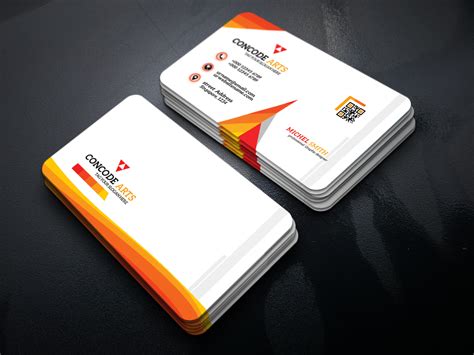
Professional Business Card Templates Free Download

Professional Business Card Templates Free Download. Business card psd, 28,000+ high quality free psd templates for download. Choose from the many available business card templates to easily design a business card, or a personalized.

Professional Business Card Free Download on Behance
Professional Business Card Free Download on Behance from www.behance.net

185+ best free business cards templates: Download free, premium business card templates for personal and commercial use. Create a professional look with a new business card.

Read more