A parts inventory sheet is a document that lists all of the parts that are used in a particular product. It includes information such as the part number, description, quantity, and location. Parts inventory sheets are essential for managing inventory and ensuring that all of the necessary parts are available when needed.
Parts inventory sheets can be used in a variety of settings, including manufacturing, retail, and healthcare. They can help to improve efficiency, reduce costs, and prevent shortages. Parts inventory sheets are also important for compliance with regulatory requirements.
A parts inventory spreadsheet is a tool used to track the quantity, location, and other relevant information about spare parts and components within an organization.
Maintaining an accurate and up-to-date parts inventory spreadsheet is crucial for several reasons. It enables businesses to:
The ABC's to Writing A Block Style Reference Letter hubpages from hubpages.com
Block letters are one of the oldest forms of writing. They can be seen on ancient coins and papyrus scrolls, and they have been used for thousands of years. In the modern world, block lettering is still widely used in everything from official documents to personal correspondence. But what are the different parts of a block letter?
The body of a block letter is the main section of the letter. It is typically composed of three parts: the body, the midline, and the baseline. The body is the largest part of the letter, and it contains all of the necessary information. The midline is slightly lower than the body and is used to separate the text. The baseline is the lowest part of the letter and is used to indicate the end of the letter.
The Head
The head of a block letter is the part that typically contains the address and the date. It is usually located at the top of the letter, just above the body. The head will also contain the name of the sender and the name of the recipient.
The Salutation
The salutation is the part of the letter that contains the greeting. It is usually placed at the beginning of the body, just below the head. The salutation will usually contain words like “Dear” or “Hello” and the name of the recipient. The salutation often includes the name of the sender as well.
The Signature
The signature is the part of the letter that contains the sender’s name. It is typically placed at the end of the letter, just below the body. The signature is not always necessary, but it is often used to indicate that the sender has read and approved the letter.
The Closing
The closing is the part of the letter that contains the closing words. It is usually placed at the end of the body, just below the signature. The closing will usually contain words like “Sincerely” or “Best Regards”, as well as the name of the sender.
The Postscript
The postscript is the part of the letter that contains any additional information that the sender wants to include. It is usually placed at the end of the letter, just below the closing. The postscript can contain anything from an additional thought to a request for a response.
Sample Block Letters
To better understand the different parts of a block letter, let’s take a look at a few examples. Here are three sample block letters:
Example 1
The head of this letter contains the address and date. The body has the salutation, followed by the main text. The signature is at the end of the body, followed by the closing. There is no postscript.
Example 2
The head of this letter contains the address and date. The body has the salutation, followed by the main text. The signature is at the end of the body, followed by the closing. The postscript is at the very end of the letter.
Example 3
The head of this letter contains the address and date. The body has the salutation, followed by the main text. The signature is at the end of the body, followed by the closing. There is no postscript. However, the letter does have an additional line at the very end that reads “PS: Please respond as soon as possible.”
As you can see, the different parts of a block letter can vary depending on the message. However, the basic structure is usually the same. With a little practice, you can become an expert at writing block letters.
Conclusion
Block letters are one of the oldest forms of writing, and they are still used in many different contexts today. Block letters have several parts, including the head, body, salutation, signature, closing, and postscript. With a little practice, you can become an expert at writing block letters.
Tags
block letter, block letter parts, block letter example, block letter format, block letter writing, block letter sample, block letter template, block letter definition, block letter letterhead, block letter salutation.
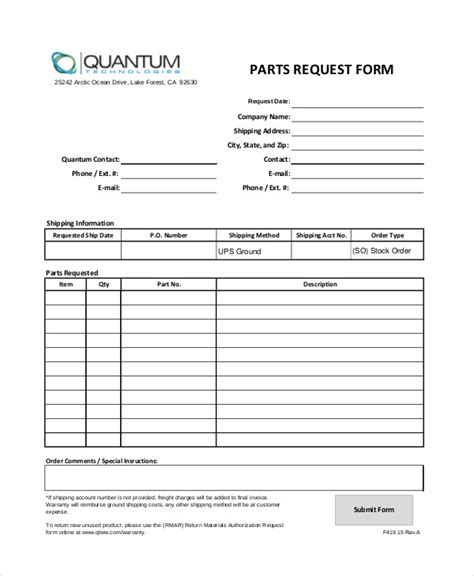
Parts Order Form Template. This ticket order form template includes name, email, address. The form can be used in any setting that requires approval before purchasing supplies, such as a business, school, or research lab.
FREE 11+ Sample Parts Order Forms in MS Word PDF from www.sampletemplates.com
Apcs.net.au | this is a simple repair order template which has two parts. Adding the details in the template is very important because, without it, you. These templates are easy to use since these are.
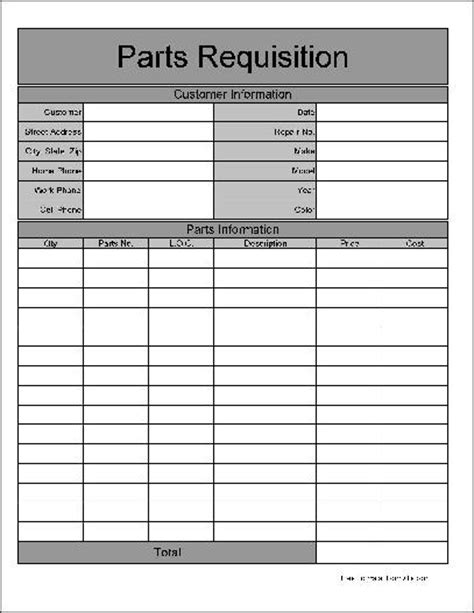
Parts Requisition Form Template. A requisition form is an important tool in different industries and organizations. This template for your purchase requisition form is free to use, customisable, and makes every purchase requisition easier, faster and more organised than excel, xls, word docs and pdf.
FREE 11+ Sample Parts Order Forms in MS Word PDF from www.sampletemplates.com
Address phone item description item number quantity signature: Simplify your organization's request process by implementing these request form templates. Business forms use template school supply order form